Discover the Origin and Health Secrets of Malta Fruit🍊
🌿 Introduction: What Makes Malta Fruit So Special?
Bright, juicy, and bursting with flavor — the Malta fruit (commonly known as sweet orange) is one of nature’s most refreshing gifts. Belonging to the citrus family, it’s celebrated not only for its tangy-sweet taste but also for its rich nutritional profile. Whether enjoyed fresh, juiced, or as dried slices, Malta fruit packs a powerful punch of vitamin C, antioxidants, and essential minerals that keep your body healthy and energized.
In many countries, especially Pakistan and India, Malta is cherished as a winter delicacy and a symbol of health. From its fascinating ancient origins to its global journey across continents, the story of this citrus gem is as colorful as its flavor.
In this article, we’ll uncover the origin of orange fruit, the health benefits of Malta fruit, and the secrets that make it a true superstar in the world of nutrition. 🍊
malikhost.com Advanced Tools Hub | 100% Free Online Tools

🏺 Historical Background: The Ancient Roots of Malta Fruit
The history of citrus fruit dates back thousands of years. According to botanical research, the sweet orange — the variety we now call Malta in South Asia — was first cultivated around 4,000 years ago in Southern China and Northeast India.
Ancient Chinese manuscripts describe oranges as “golden apples” — symbols of good fortune and health. Traders along the Silk Road carried these fruits and their seeds westward, spreading them to Persia (modern-day Iran), the Middle East, and the Mediterranean basin.
By the 10th century, Arab traders had introduced sweet oranges to Spain, and from there, they traveled throughout Europe. European explorers later carried the fruit to the Americas, making it one of the first global crops.
So, while the Malta fruit is a staple in South Asia today, its roots are ancient — deeply tied to trade, culture, and global agriculture.
🌏 Origin and Global Journey: From China to the World
The origin of orange fruit can be traced to Southeast Asia, particularly the regions of China, India, and Vietnam. From there, its journey was nothing short of spectacular.
- China → Middle East: Early Chinese farmers cultivated sweet orange trees, prized for their fragrance and healing properties. Through trade routes, oranges reached Persia and Syria.
- Middle East → Europe: Arab horticulturists refined citrus cultivation, introducing advanced irrigation methods that helped oranges thrive in the Mediterranean climate.
- Europe → South Asia: During the colonial era, oranges — including the Malta variety — were planted extensively in India and Pakistan, where the climate proved ideal for their growth.
Today, oranges are grown on every continent except Antarctica. The Malta fruit has become an agricultural treasure in countries like Pakistan, India, Egypt, Spain, and the United States.
Multiple Image Compressor Without Losing HD Quality

🌾 Agricultural Importance: Where Malta Fruit Is Grown
Citrus fruits are among the world’s most valuable crops. The Malta fruit thrives in subtropical climates — warm days, cool nights, and well-drained soil.
🍋 Top Producing Countries:
- Brazil – the global leader in orange production (mostly for juice).
- China – a major producer of sweet oranges and mandarins.
- India & Pakistan – known for Malta and Kinnow cultivation in Punjab and Sindh.
- Spain – the leading European producer, famous for Valencia oranges.
- United States (Florida & California) – major orange juice exporters.
🌍 Major Markets:
Fresh Malta fruits are exported globally. In South Asia, the Malta season runs from November to February, when markets are filled with fragrant, golden-orange produce.
In Pakistan, Sargodha is often called the “City of Citrus”, contributing a major share of the country’s production.
🍊 Types and Varieties: From Malta to Kinnow and Beyond
The citrus family is vast, offering a range of flavors and colors. While Malta is often referred to as the sweet orange, it shares its family tree with several other delicious varieties.
🧺 Common Varieties:
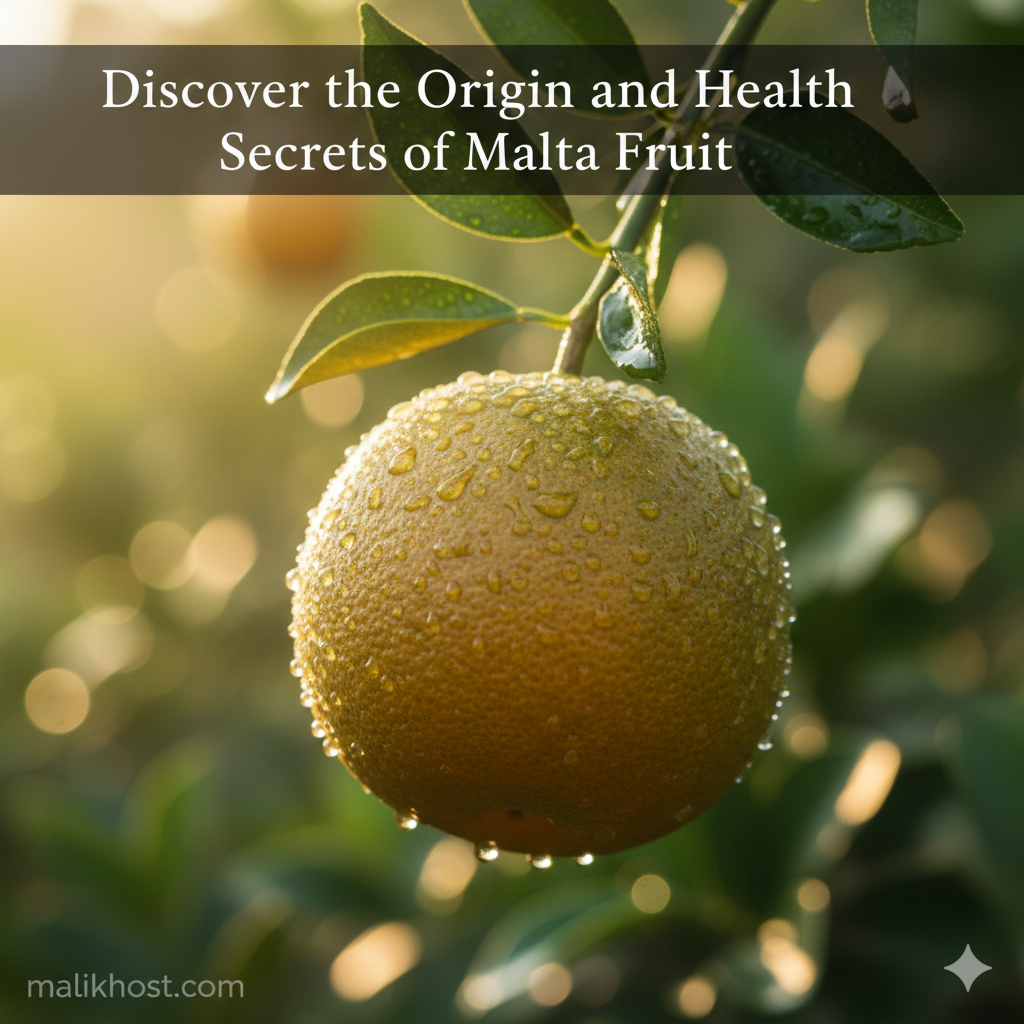
- Malta (Sweet Orange) – Mildly tangy, seedless, rich in juice.
- Kinnow – A hybrid of king and willowleaf mandarin, more tangy than Malta.
- Valencia Orange – Famous for juice production; bright orange skin.
- Blood Orange – Deep red flesh, rich in anthocyanins (powerful antioxidants).
- Seville Orange – Bitter taste, often used in marmalade and sauces.
💡 Fun Tip: If you’ve ever wondered about Kinnow vs Malta, the main difference lies in taste — Malta is sweeter and less acidic, while Kinnow is more tangy and aromatic.
🧬 Nutritional Composition: The Science Behind the Sweetness
The nutritional value of Malta fruit is remarkable. Each juicy segment is loaded with vitamins, minerals, and plant-based compounds that support overall well-being.
| Nutrient (per 100g) | Amount | Key Benefits |
|---|---|---|
| Calories | 47 kcal | Low-calorie, energy booster |
| Vitamin C | 53 mg | Boosts immunity, collagen production |
| Fiber | 2.4 g | Improves digestion |
| Potassium | 181 mg | Regulates blood pressure |
| Folate | 30 µg | Supports cell health and pregnancy |
| Antioxidants | High | Protects cells from oxidative stress |
Oranges are one of the richest natural sources of vitamin C, an essential nutrient that strengthens your immune system and protects against infections.
💪 Health Benefits of Malta Fruit
Now let’s explore why malta fruit benefits are celebrated across the world. From your skin to your heart, this citrus wonder works magic in multiple ways. 🌿
🍊 1. Strengthens the Immune System
The high concentration of vitamin C in Malta helps your body produce white blood cells — your first line of defense against infections. Regular consumption may reduce the duration of colds and flu.
💓 2. Promotes Heart Health
Malta fruit contains potassium and flavonoids, which help regulate blood pressure, lower cholesterol, and improve circulation. These nutrients make your heart stronger and healthier.
🌿 3. Improves Digestion
Dietary fiber in oranges aids bowel movement and prevents constipation. A glass of fresh Malta juice after meals supports healthy digestion and gut balance.
✨ 4. Enhances Skin Health
Thanks to its antioxidant and vitamin C content, Malta helps your body produce collagen, the protein responsible for youthful, glowing skin. It may also reduce signs of aging and sun damage.
🧠 5. Boosts Brain Function
Oranges contain folate and thiamine, which support brain development and memory. Research shows that citrus flavonoids may help prevent age-related cognitive decline.
🦷 6. Strengthens Teeth and Bones
Malta fruit’s calcium and phosphorus content contributes to stronger teeth and bones. Plus, its natural acidity helps cleanse the mouth, preventing bacterial buildup.
🧘♀️ 7. Aids in Weight Management
Low in calories and rich in fiber, Malta keeps you feeling full longer — a perfect snack for those looking to maintain or lose weight.
💧 8. Detoxifies the Body
Citrus fruits are known for their detoxifying properties. Malta juice helps flush out toxins, keeping your liver and kidneys functioning efficiently.
(Disclaimer: This information is for educational purposes only and should not replace professional medical advice.)
🌞 Fresh vs. Dried Malta: What’s the Difference?
While fresh Malta is enjoyed worldwide, the dried version has gained attention for its unique flavor and versatility.
🍊 Fresh Malta:
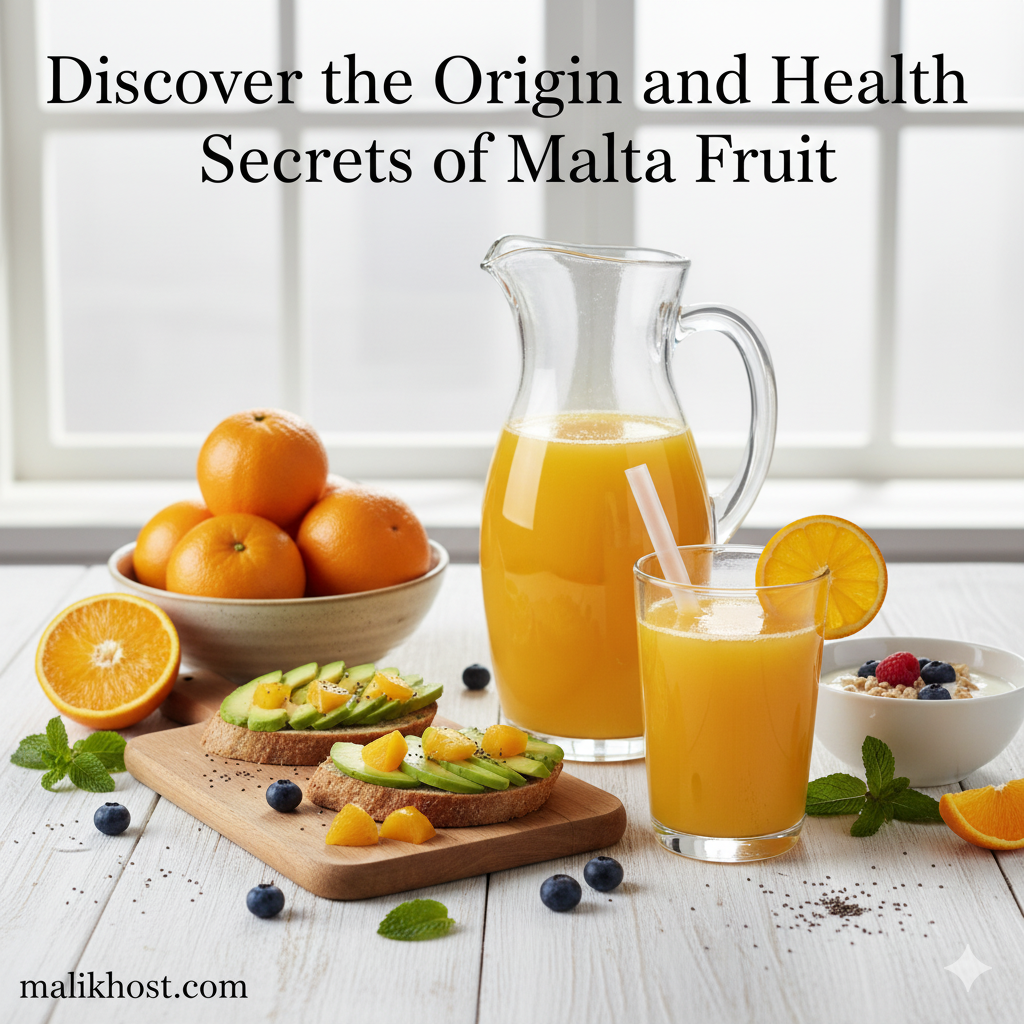
- Eaten raw, juiced, or added to salads.
- Contains more water content and active vitamin C.
- Ideal for hydration and direct consumption.
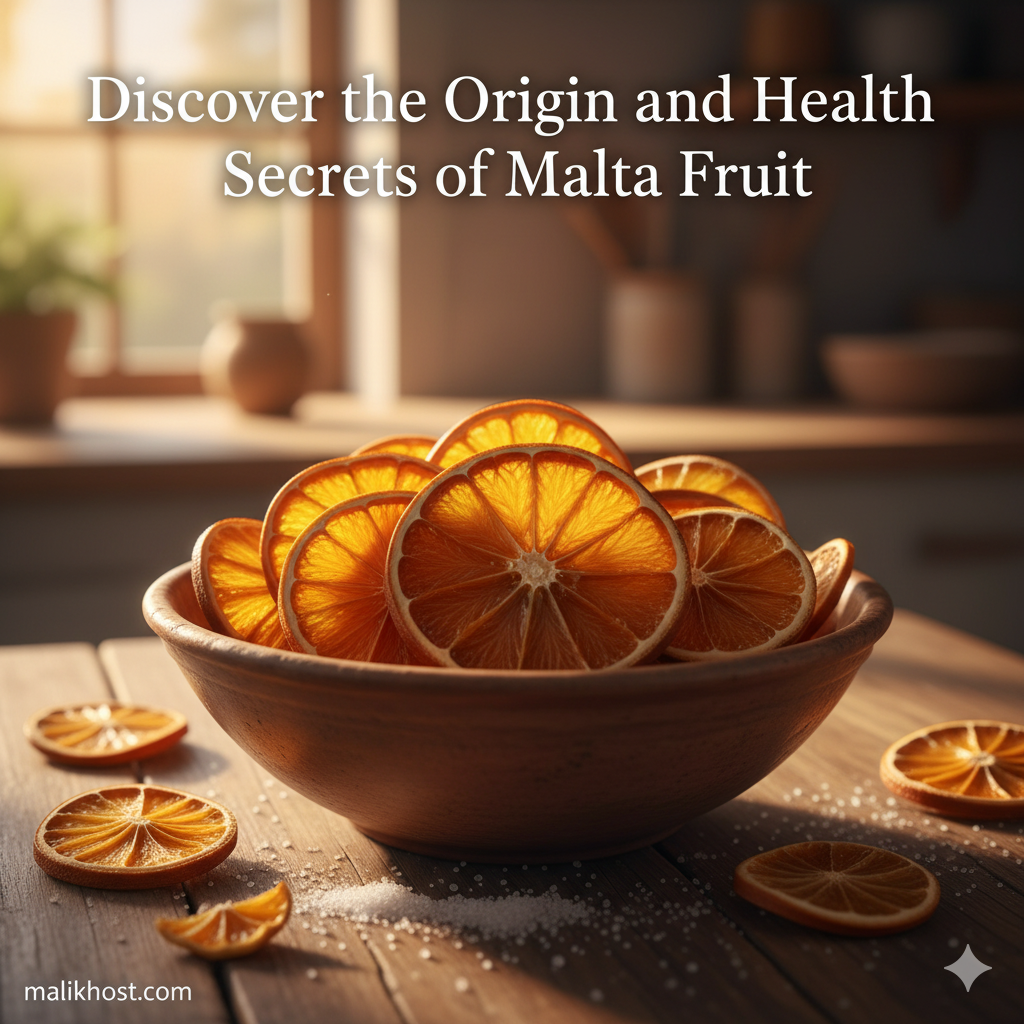
🍊 Dried Malta (Dehydrated Orange):
- Prepared by drying thin orange slices under low heat or sunlight.
- Retains fiber, antioxidants, and minerals, though vitamin C may slightly reduce.
- Used in herbal teas, snacks, desserts, and skincare products.
Dried orange benefits include digestive support, natural sweetness without added sugar, and long shelf life. Herbal practitioners in traditional medicine often use dried Malta peel to treat coughs and digestive discomforts.
💰 Economic and Cultural Importance
The Malta fruit holds great economic and cultural significance across regions.
🇵🇰 In Pakistan:
The Sargodha region produces millions of tons annually, providing employment to thousands of farmers. It’s a major export item and an essential winter treat.
🇮🇳 In India:
Malta cultivation thrives in Punjab, Himachal Pradesh, and Uttarakhand. The fruit is used in traditional remedies and as a symbol of prosperity during winter festivals.
🌍 In Mediterranean Countries:
In Spain, Italy, and Greece, oranges are part of daily cuisine and culture — from desserts to perfumes. The famous Valencia orange from Spain is a global favorite.
Oranges also play roles in art, literature, and even religion — symbolizing health, vitality, and the sun’s energy. 🌞
Malta Fruit🍊 island
Discover the Origin and Health Secrets of Malta Fruit🍊 by john
Discover the Origin and Health Secrets of Malta Fruit🍊 by william
free health secrets
Discover the Origin and Health Secrets of Malta Fruit🍊 free
health secrets book review
health secrets book
health secrets usa
bottom line health secrets
hugh downs health secrets
health secrets of centenarians
hugh downs health book
🤩 Fun Facts About Malta Fruit
Here are some surprising and delightful facts you might not know!
- 🍊 The word “orange” has no perfect rhyme in English!
- 🌿 Orange blossoms are symbols of purity and are used in wedding ceremonies.
- 💪 The peel of Malta fruit contains more antioxidants than the juice itself.
- 🍹 The world’s largest orange producer is Brazil, accounting for over 30% of global supply.
- 🧃 It takes about 12 oranges to make one liter of fresh juice!
🧾 Conclusion: A Citrus Treasure Worth Celebrating
From its ancient Chinese origins to modern farms in South Asia, the Malta fruit has traveled the world, bringing sweetness, color, and health benefits wherever it goes.
Packed with vitamin C, fiber, and antioxidants, it boosts immunity, supports heart health, improves skin, and helps the body detox naturally.
Whether you enjoy it fresh, juiced, or dried, the malta fruit benefits make it a must-have for anyone seeking a healthier lifestyle.
So next time you see this vibrant fruit at the market, remember — it’s not just a snack; it’s a story of centuries of cultivation, culture, and care. 🍊💛
Multiple Video One-Click Audio Add Cover Tool

❓ Top 10 FAQs About Malta Fruit
1. What is the scientific name of Malta fruit?
Malta fruit, also known as sweet orange, belongs to the species Citrus × sinensis in the Rutaceae family.
2. What are the main health benefits of Malta fruit?
Key malta fruit benefits include boosting immunity, improving skin health, aiding digestion, and supporting heart health.
3. Is Malta fruit the same as Kinnow?
No. Kinnow is a hybrid mandarin with a tangier flavor, while Malta is a sweeter, less acidic variety of orange.
4. How much vitamin C does Malta contain?
A medium-sized Malta fruit provides around 70 mg of vitamin C, covering more than 75% of the daily recommended intake.
5. Can diabetics eat Malta fruit?
Yes, in moderation. Malta fruit has a low glycemic index, making it suitable for diabetic diets. However, always consult your doctor first.
6. What are the dried orange benefits?
Dried orange slices are rich in fiber and antioxidants, useful for herbal teas, snacks, and natural remedies for colds and digestion.
7. How should Malta fruit be stored?
Keep fresh Malta in a cool, dry place or refrigerate for up to 2 weeks. Dried slices can last for months in airtight containers.
8. Where is Malta fruit grown in Pakistan and India?
In Pakistan, mainly in Sargodha and Multan; in India, in Punjab, Himachal Pradesh, and Uttarakhand.
9. Can Malta peel be used?
Absolutely! Malta peel can be dried and powdered for face masks, teas, or aromatic oils, thanks to its antibacterial properties.
10. What’s the best time to eat Malta fruit?
The best season is winter (November–February), when the fruit is freshest, juiciest, and packed with nutrients.
🎥 Watch a detailed video about the Malta Fruit journey and its health benefits here: [Insert YouTube link]
🔑 SEO Keywords & Hashtags:
Keywords: malta fruit benefits, health benefits of malta fruit, origin of orange fruit, kinnow vs malta, vitamin C in orange, orange nutrition facts, citrus fruit advantages, dried orange benefits, malta fruit in Pakistan, history of citrus fruit.
Hashtags: #MaltaFruit #HealthyLiving #CitrusPower #VitaminC #NaturalHealing #FruitFacts